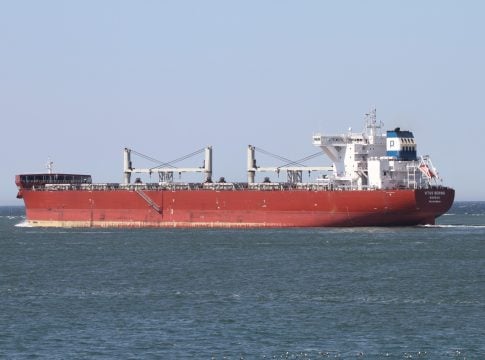


Shipyards are a key link in global energy chains, as they are the place where the ships for the transport of energy and other critical goods are built, repaired and upgraded, the President & CEO of ONEX Shipyards & Technologies Group, Panos Xenokostas, underlined at the Athens Energy Summit 2026.
Xenokostas participated in the thematic section ‘The construction issue: Large-scale energy infrastructure, financing and project delivery’, where he highlighted the critical role of the shipbuilding industry in the energy transition and security strategy of Greece and Europe.
“Without shipyards, there is no substantial support for the energy economy”
Referring to the connection between the shipbuilding industry and energy infrastructure, Xenokostas underlined that in modern times, shipyards are not just repair units, but are evolving into industrial and technological hubs crucial for the energy transition.
In the context of the transformation of ONEX Shipyards into the Elefsis and Syros units, he noted that their geographical location is linked to high geopolitical value and to energy routes that enhance the country’s alternative options for security of supply.
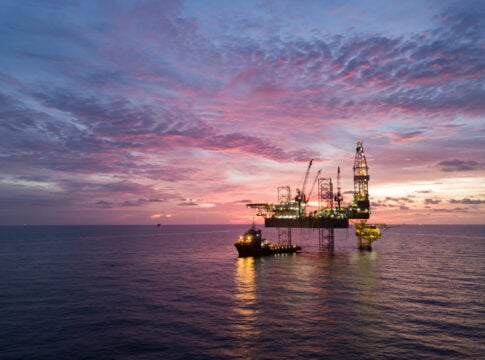
He also emphasized that large modern energy solutions —with an emphasis on maritime infrastructure— now necessarily pass through the shipbuilding base: floating energy production platforms, LNG-to-Power units, offshore energy projects and upcoming technologies such as SMR, FMPs and new forms of nuclear technology.


As he stated, “the magic word is now not only energy transformation, it is also energy upgrading”, pointing out that in the next phase of the economy and geopolitics, energy demand will increase and anyone who does not adapt “will be left out forever.”
The role of shipyards in Greece’s goal as an energy hub
Referring to Greece’s ambition to develop into an energy hub, Xenokostas noted that shipyards have a multiple role: the support, maintenance and upgrade of critical vessels, the construction and production of large energy maritime infrastructures, as well as the strengthening of the domestic industrial and technological footprint, so that investments do not end up “exporting” the economic result abroad.
Concluding, Xenokostas emphasized that shipyards, as an industrial and technological hub, constitute “the factory of the country’s energy upgrade” and “the gatekeeper of its energy independence.”
As he noted, energy is no longer just a basic condition of industrial superiority and living standards — it has become the determining factor in knowledge production, through data centers.
Για να εμφανίζονται περισσότερα άρθρα της Ναυτεμπορικής στις αναζητήσεις σας εύκολα και γρήγορα, πρέπει να προσθέσετε το site στις προτιμώμενες πηγές σας. Μπορείτε να το κάνετε πηγαίνοντας εδώ.