
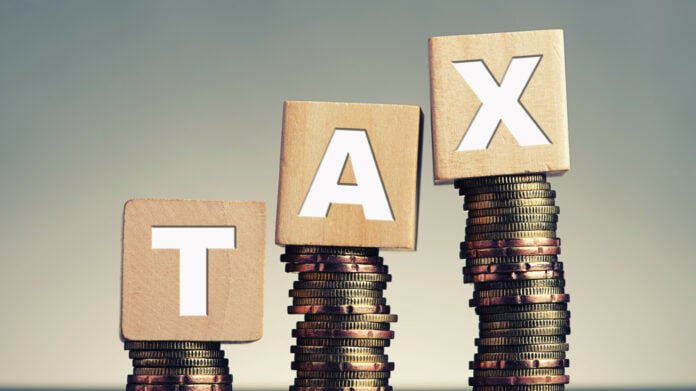
Although the digitalisation of Greece’s tax administration has helped reduce tax evasion, further modernisation and simplification of the tax system, a reduction in tax expenditures and stronger customs controls are still needed, according to the European Commission in its 2026 European Semester report.
The Commission acknowledged that Greece has made substantial progress in strengthening its public finances and implementing a broad range of reforms. However, it underlined that fiscal stability, boosting competitiveness, addressing housing affordability, accelerating the green transition, improving water management and strengthening social cohesion are key priorities for 2026 and 2027.
1,236 tax expenditures
In the area of taxation, the Commission recognised that the consolidation and digitalisation of the tax and customs administration have played a decisive role in improving tax compliance, particularly by reducing the VAT gap.
To preserve these gains, the Commission stressed that investment should continue, including in IT systems developed with support from the Recovery and Resilience Facility (RRF), by allocating sufficient resources both for system maintenance and for strengthening the administration’s internal technical capacity.
The Commission placed particular emphasis on tax expenditures, noting that Greece’s tax system continues to feature a large number of tax exemptions and relief measures—1,236 in 2025—with a significant fiscal impact. According to the report, this increases the complexity of the tax system and undermines the efficiency of public revenue collection.


“A systematic evaluation of tax expenditures would create the conditions for their rationalisation, thereby improving the overall transparency of the tax system and strengthening fiscal sustainability,” the Commission said.
On customs, the Commission noted that further efforts are needed to improve the functioning of the customs administration.
“While the ongoing consolidation of customs services has led to higher customs revenues despite lower overall import volumes, completing the centralisation of control functions, strengthening operational capacity and expanding infrastructure at the country’s main entry points, including the Port of Piraeus, would further improve the effectiveness of controls and public revenue collection.”
House prices rising faster than incomes
The Commission noted that housing affordability has become a major social challenge, with residential property prices rising rapidly since 2019 due to strong demand and limited housing construction.
Domestic demand strengthened in the post-pandemic period and remains robust, while foreign demand—supported by the Golden Visa programme and investment opportunities linked to tourism—moderated somewhat in 2025.
Housing supply remains constrained following years of low residential investment and, despite the recent recovery in construction activity, remains well below the European Union average.
The Commission also said that increases in house prices and rents have outpaced income growth, affecting a large share of the population. It called on Greece to increase the supply of affordable and social housing, including through the adoption of a new building code.
Για να εμφανίζονται περισσότερα άρθρα της Ναυτεμπορικής στις αναζητήσεις σας εύκολα και γρήγορα, πρέπει να προσθέσετε το site στις προτιμώμενες πηγές σας. Μπορείτε να το κάνετε πηγαίνοντας εδώ.