
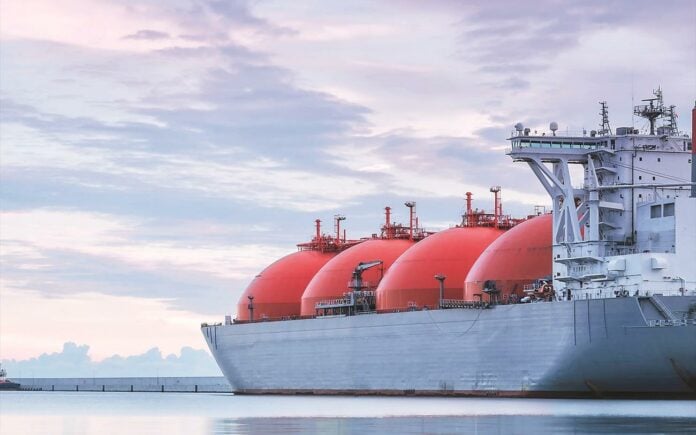
The ongoing conflict in Iran is maintaining high charter rates within the LNG carrier spot market. Following the presentation of financial results for Dynagas LNG Partners—the US-listed shipping entity led by George Prokopiou—it is noted that both natural gas prices and the LNG carrier sector have strengthened. Charter rates have recorded a sharp uptick as vessel availability tightens and global trade flows undergo significant restructuring.
According to the company:
“Recent geopolitical tensions in the Middle East, including the escalation of hostilities involving Iran and heightened security risks surrounding the Strait of Hormuz, have introduced substantial volatility into global LNG markets. Disruptions to regional LNG production and reduced vessel transits through the Strait have intensified concerns over potential supply shocks, which could impact a significant portion of global LNG trade.”
While Atlantic spot rates eased to 167,000 dollars at the end of last week, they remain at historically elevated levels. Analysts at Fearnleys emphasized that ongoing disruptions in the Strait of Hormuz continue to influence LNG flow patterns.
Iran has reiterated that the Strait of Hormuz remains closed to “hostile vessels,” maintaining intense pressure on one of the world’s most critical energy transit points. Analysts emphasized that any disruption to this corridor has immediate repercussions for global energy trade and the maritime supply chain. Concerns over supply linked to Middle Eastern disruptions have already begun to shift LNG spot market dynamics, with prompt cargoes trading at a premium over forward benchmarks as buyers compete for short-term delivery.


Growing Market Caution in Asia
Market participants report increased caution among Asian importers, where supply pressures are becoming increasingly evident due to the following factors:
India: Reports indicate difficulties in securing cargoes through recent tender processes.
Bangladesh: Authorities are seeking exemptions to secure alternative LNG supplies.
Thailand & Taiwan: Both nations are procuring additional volumes to bolster energy security.
Increased Competition: Numerous Asian buyers are competing for a limited pool of available cargoes.
Recent market data indicates that approximately 10 LNG cargoes have been diverted from Europe to Asia. This shift reflects stronger demand signals from the Pacific Basin and growing anxieties regarding potential supply interruptions from the Middle East.
European Response and Freight Volatility
Simultaneously, Europe is attempting to backfill volumes from alternative sources, highlighting how rapidly LNG trade flows can be restructured during geopolitical crises. Notably, LNG charter rates remain at elevated levels with high volatility despite recent pullbacks. This underscores the extreme sensitivity of shipping markets to shifts in global LNG flows and geopolitical turbulence.
Για να εμφανίζονται περισσότερα άρθρα της Ναυτεμπορικής στις αναζητήσεις σας εύκολα και γρήγορα, πρέπει να προσθέσετε το site στις προτιμώμενες πηγές σας. Μπορείτε να το κάνετε πηγαίνοντας εδώ.