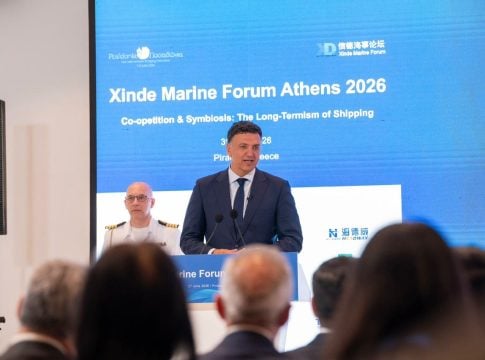


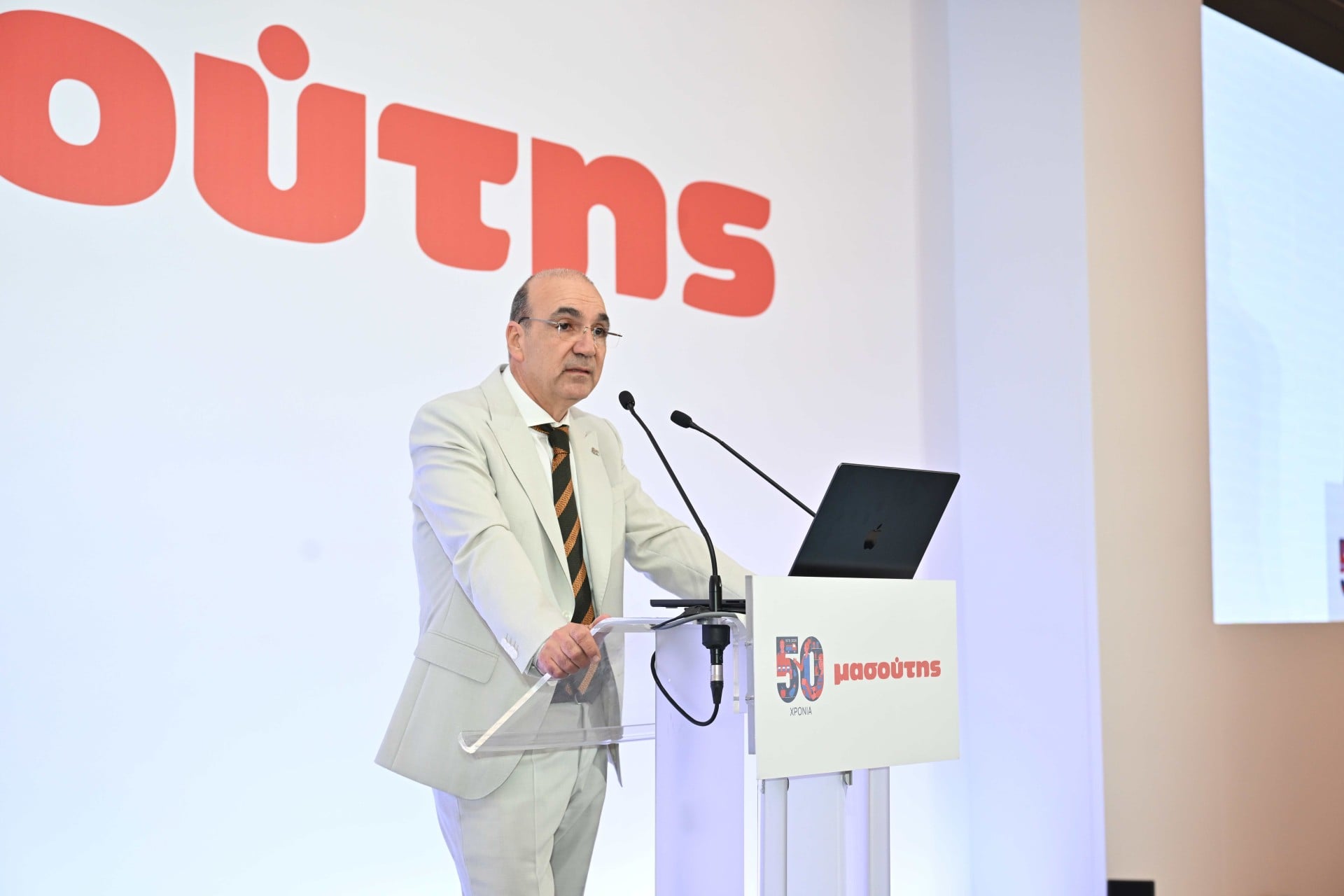
Greece can transform manufacturing into a driving force for growth, employment and technological upgrading, with targeted policies and reforms, Bank of Greece Governor Yannis Stournaras underlined in a conference.
Stournaras stated that despite the significant progress of recent years, Greek manufacturing continues to lag behind the European average, which highlights the need for a more targeted and coherent strategic framework.
“Manufacturing has historically been one of the main pillars of the Greek economy, demonstrating remarkable resilience against the successive crises of recent years,” said the Governor of the Bank of Greece, citing recent data that confirm the positive course and improvement in the competitiveness of the manufacturing sector, as its contribution to GDP increased from 7.8% in 2019 to 9.1% in 2024. At the same time, in 2024, Greek industry recorded one of the most positive performances in recent years, contributing more than any other sector to the increase in Gross Added Value.
Strengthening investment activity
“In recent years, investment activity in industry has been significantly strengthened, contributing to the upgrading of the production base. In the period 2018-24, cumulative investments of over 36 billion euros were made, of which more than half was directed to manufacturing, while the share of industry in total investments increased to 18.8% in 2024, from single-digit percentages before the crisis,” noted the Governor of the Bank of Greece.
At the same time, as he said, “industrial exports strengthened significantly in the period 2017-2024, also increasing their share in total exports of goods and broadening the export orientation of manufacturing. In particular, industrial exports increased from approximately 28 billion euros in 2017 to approximately 49 billion euros in 2024, with their share in total exports reaching 71% (from 67%).

“In addition, the industrial production index shows a steady upward trend, with impressive resilience against the successive crises of the recent period. More specifically, the index recovered strongly after 2020, recording positive annual changes for most quarters from 2021 onwards, as manufacturing benefited from the recovery in demand and exports, although a mild slowdown is observed in 2025 due to high energy costs,” Stournaras underlined, among other things.
ANA-MPA
Για να εμφανίζονται περισσότερα άρθρα της Ναυτεμπορικής στις αναζητήσεις σας εύκολα και γρήγορα, πρέπει να προσθέσετε το site στις προτιμώμενες πηγές σας. Μπορείτε να το κάνετε πηγαίνοντας εδώ.