

Almost 80 years ago, in 1947, Alexandros Baltatzis, a Pontic refugee and reformer of the agrarian movement in modern Greece, founded SEKE in his hometown of Xanthi – the first anonymous cooperative society of tobacco producers in Greece.
In a country ravaged by the Civil War, the Cooperative Union of Tobacco Producers of Greece was to become the main post-war support for poor farmers who cultivated tobacco, especially in places such as Thrace.
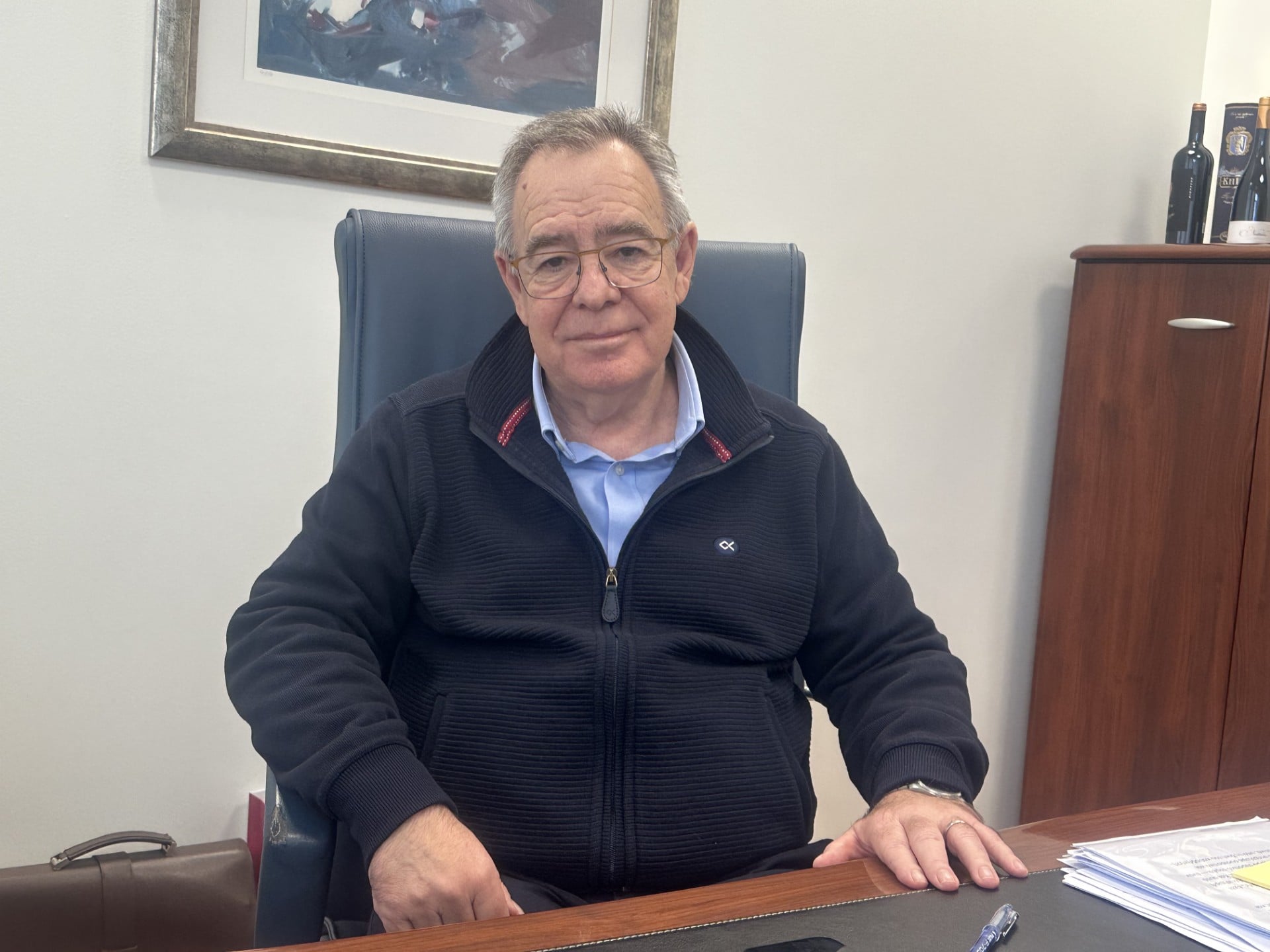
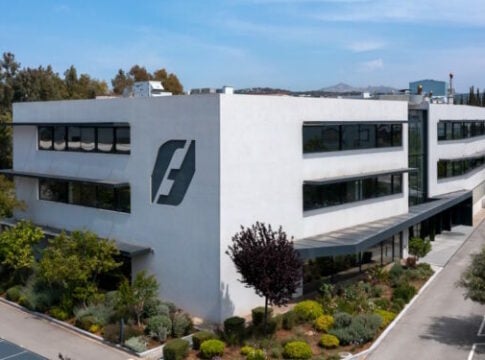
Eight decades later, the current CEO of SEKE, Alexandros Kontos, and his associates, have managed to make Baltatzis’ dream come true: SEKE is today the largest tobacco company in Southeastern Europe. The SEKE Group has five companies, its base is in Xanthi, but it has operations in North Macedonia, Albania, Bulgaria and Turkey.
SEKE is expected to register a turnover of 115 million euros in 2025, compared to 94.7 million in 2024. That is, an increase of 21.4%. The group’s pre-tax profits are forecast at 4 million euros, compared to 2.54 million in 2024 – an increase of 57%.


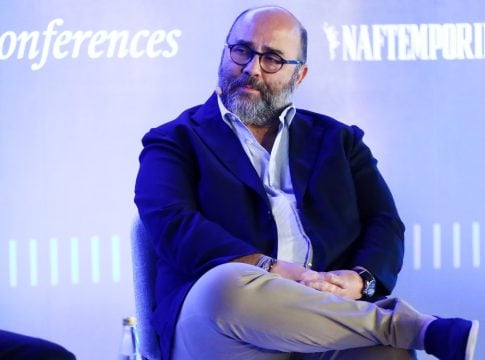
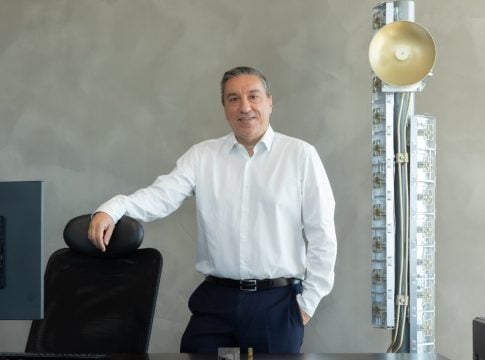
“SEKE’s positive course is neither easy nor self-evident. The increase in turnover and profits is an achievement if we consider the environment in which our group operates. An environment of international instability, insecurity, and uncertainty,” its CEO Alexandros Kontos told “N”.
Beyond financial goals, SEKE also prioritizes corporate social responsibility, he added.
Exports to dozens of countries
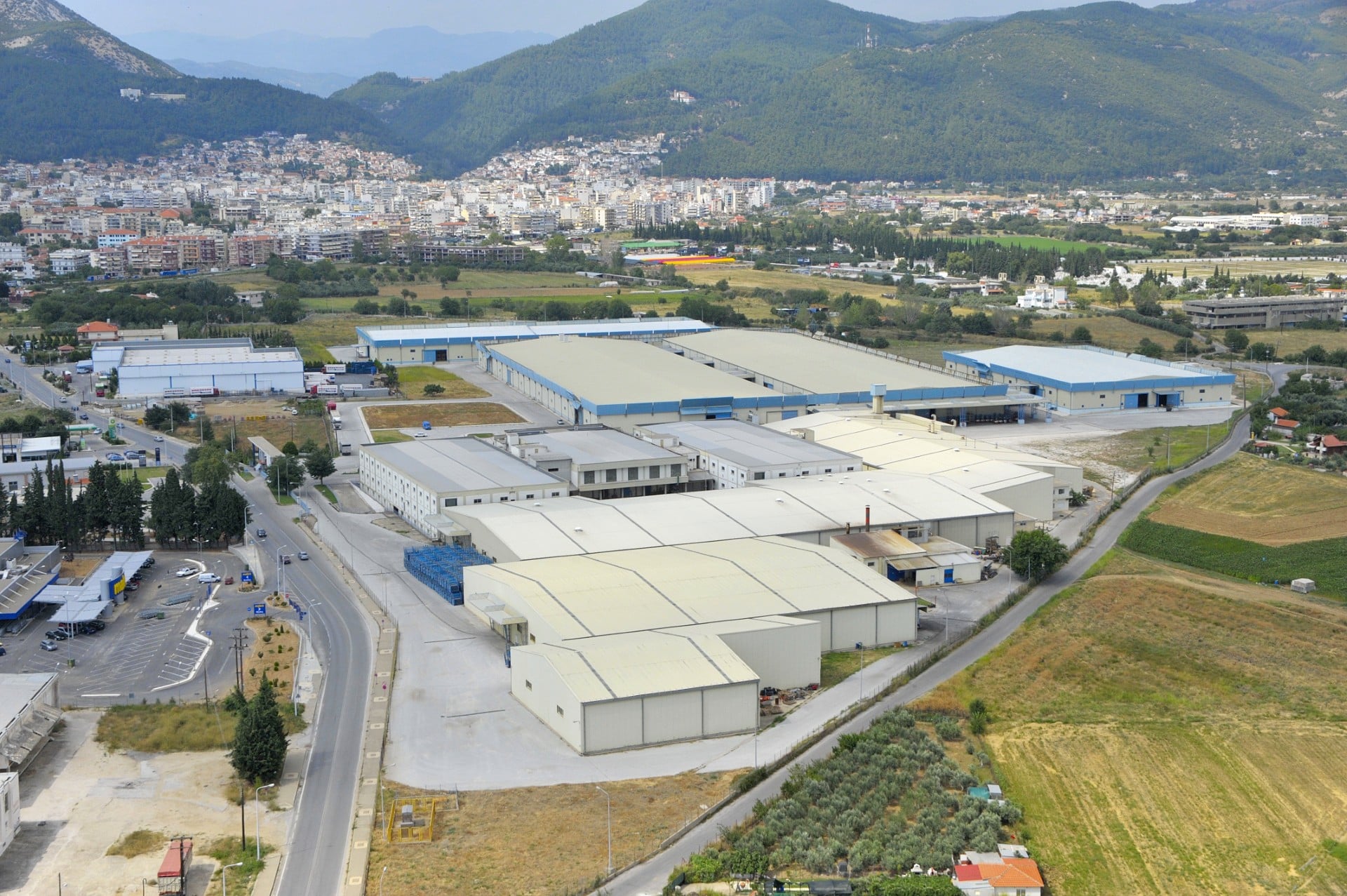
“We buy tobacco, mainly Greek, but also from all over the world. We manage around 15,000,000 kilos of tobacco per year, which we process here, in Xanthi. We also have our own facilities in North Macedonia. We invested over 13 million euros there. We started 6 years ago and were the smallest of the ten companies. Today we are the second and we aspire to become the first company in size in North Macedonia. We also became partners with the largest Turkish company. We started an ambitious Virginia tobacco production program there two years ago and we are already doing quite well.”
The contribution to the Greek economy is great: “I want to inform you that 99% of our products are exported. In general, tobacco and our contribution to tobacco-producing areas is very large, because tobacco is a monoculture and the only source of income and life for tobacco producers. In Xanthi, for example, we employ 600 tobacco workers. We also collaborate with many companies in other sectors, such as packaging, transportation, etc.”.
SEKE is also the largest supplier of tobacco to the country’s major tobacco industries. “We have excellent relations with all the companies that buy Greek tobacco. This is a long-term relationship. We are completely reliable towards them. You should know that tobacco, in relation to food, is produced under much stricter quality conditions”.
Grecials – Expansion into food
SEKE has also expanded its activities into the food sector.
“Last year, we founded Grecials – an agri-food products company. We focus on promoting pure, natural and quality products from the Greek land, such as olive oil, honey and pomegranate juice. We want to combine tradition, experience and sustainable practices to promote local producers. We want consumers to have access to these pure and high quality products.”
The group’s agricultural products are already available in Greek supermarket chains. “However, we have started exporting to America, Europe and the United Kingdom, as well as the Emirates, Malaysia and other countries. We have set up our own honey factory and are discussing collaborations for olive oil. We are thinking of becoming partners in cooperative organizations in the Peloponnese, because the olive oil there is of very high quality.”
Alexandros Kontos underlined the need for a long-term strategy aiming at the development of the agricultural sector. And in this context, cooperatives must be strengthened, but also new ones must be created, he stated.
Europe should not cut funds from farmers
Concluding, he made an appeal to Europe not to cut funds from farmers in order to spend them on weapons. In a few years, we will reach a point where Europe will be completely dependent on imported agricultural products, and that will be a disaster, because most of them are not even tested for pesticide residues and other substances. I hope that governments, especially in the South, will not accept this. Farmers certainly will not accept this. European farmers will not be further marginalized, so that Europe can live on imported products. The entire European agricultural policy also needs to be redesigned,” Kontos underlined.
Για να εμφανίζονται περισσότερα άρθρα της Ναυτεμπορικής στις αναζητήσεις σας εύκολα και γρήγορα, πρέπει να προσθέσετε το site στις προτιμώμενες πηγές σας. Μπορείτε να το κάνετε πηγαίνοντας εδώ.