

The most solid growth comes from the industry, according to the report of the Annual International Conference organized by the Association of Hellenic Plastic Industries (AHPI) – Plastainability 2025 powered by Protergia.
However, as the participants in the Conference pointed out, challenges remain, with the plastics industry being at a critical juncture, trying to remain sustainable and competitive, even though the European Union is entering the global game of competition that is underway as a beginner.
The President of the AHPI, Panagiotis Gerontopoulos, stressed that “we are facing major political and geopolitical turmoil, with consequences that cause, among other things, unbearable energy costs, and are testing an important sector, for which the challenges do not only concern the national level, but primarily the European one”.
In support of the above, George Kapantaidakis, Director of Industrial Policy at the European Chemical Industry Association CEFIC, explained that we are facing a situation of high alert but “with a targeted industrial policy to strengthen its competitiveness, the chemical industry can avoid the risk of new factory closures, which could reach 8% of the EU’s added value, putting 150-200 thousand direct jobs at risk”.
On their part, representatives of the Greek plastics industry highlighted the need to adopt a strong political agenda to support production within Europe (“Made in Europe”). The soaring cost of the energy balancing market, the shortages of human resources (skilled, unskilled, and technical personnel), the lack of digitalization, the often conflicting requirements of overlapping public services are added to the already existing problem of high production costs and competition without rules (from third countries), so as to constantly raise obstacles and restrictions and create an environment that is not characterized as friendly for investments and production.

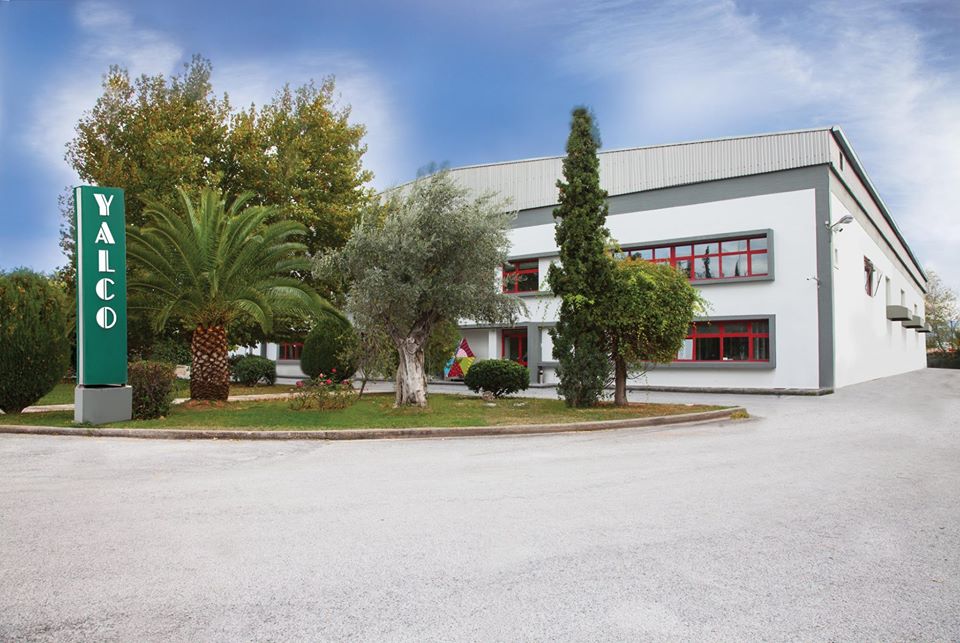
However, even in this environment, one can discern the optimistic side, as companies in the sector demonstrate faith and commitment to production and exports, pointed out the Greek executives of the sector. Both the Greek and European plastics industry is at a critical point, as they said, stressing the need for compliance with rules, strategic investments and the creation of fair conditions in the market.
Για να εμφανίζονται περισσότερα άρθρα της Ναυτεμπορικής στις αναζητήσεις σας εύκολα και γρήγορα, πρέπει να προσθέσετε το site στις προτιμώμενες πηγές σας. Μπορείτε να το κάνετε πηγαίνοντας εδώ.