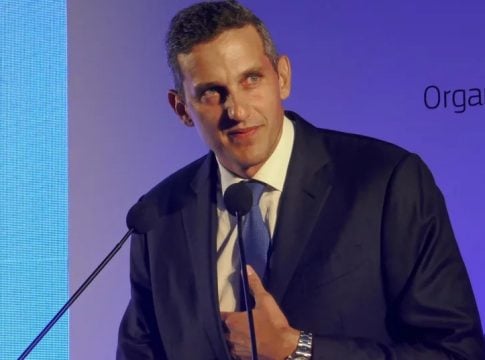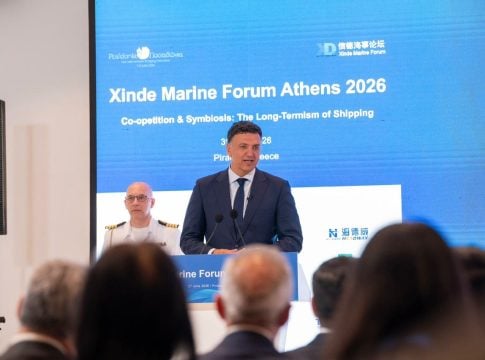


The decarbonization initiative as it is currently being discussed at the IMO is “utopian,” John Xylas, Chairman and CEO of Ariston Navigation, said at Naftemporiki’s 10th Shipping Conference.
“Unfortunately, scientists and engineers have stepped aside in favor of politicians and taxation, which apparently is the main objective of this plan,” Xylas said, adding: “There is no zero-carbon fuel that is simultaneously available, safe, economically viable and scalable on a global level.”
Analyzing the overall environmental footprint of each fuel — from production to combustion — he noted:
LNG: It clearly helps with compliance regarding sulfur and nitrogen oxides; however, most scientific studies indicate that the overall benefit in terms of carbon dioxide reduction remains debatable. Nevertheless, it is a transitional solution in which enormous investments have already been made.
LPG: It has slightly lower carbon dioxide emissions than oil, but studies show that the overall environmental benefit is limited, while its availability is also constrained.


Hydrogen: Αll hydrogen currently produced is derived either from natural gas or coal, meaning it generates high emissions during the initial stages of production. Truly green hydrogen remains extremely limited, as it requires “green” electricity generated from renewable energy sources. It also requires enormous quantities of energy, is difficult to store and transport, and raises significant safety concerns. In addition, studies indicate that hydrogen leakage into the atmosphere contributes to global warming.
Ammonia and Methanol
Two fuels are produced from hydrogen: ammonia, which is created by adding nitrogen, and methanol. Therefore, for ammonia to be considered green, it also requires green hydrogen, which remains difficult and expensive to produce. As a fuel, ammonia is highly toxic and extremely difficult to handle in an environment such as a ship. Even a small ammonia leak could result in fatalities. Its combustion also generates high levels of nitrogen oxides, while a recent MIT study indicated that ammonia use could contribute to as many as 600,000 premature deaths annually due to atmospheric pollution.
Methanol: It is relatively easy to handle, but it has several major drawbacks. First, it is currently produced almost entirely from fossil sources. In order to qualify as green methanol, it requires green hydrogen as well as carbon dioxide captured directly from the atmosphere — something that today exists only on a very limited scale.
Biofuels: They may serve as transitional fuels, but there are concerns regarding supply adequacy. First-generation biofuels, in particular, compete with the food industry and contribute to deforestation, while more advanced biofuels are somewhat more reliable but face intense competition from the aviation industry. As a result, the overall environmental benefit remains uncertain.
Για να εμφανίζονται περισσότερα άρθρα της Ναυτεμπορικής στις αναζητήσεις σας εύκολα και γρήγορα, πρέπει να προσθέσετε το site στις προτιμώμενες πηγές σας. Μπορείτε να το κάνετε πηγαίνοντας εδώ.