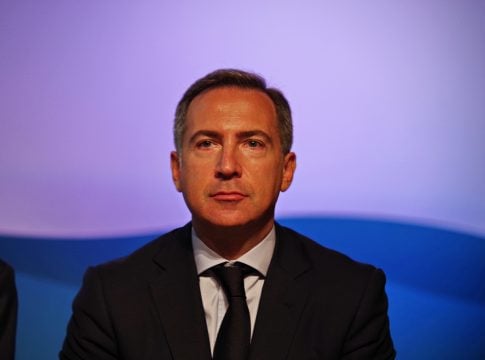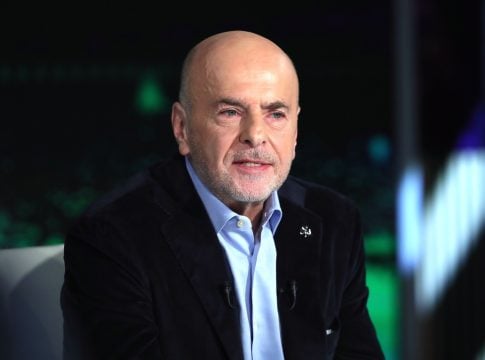

Greece has effectively achieved its 2030 renewable energy target, with installed renewable energy capacity already reaching 19 GW, while a further 13 GW of projects have secured grid connection terms and are largely under construction, IPTO Chief Executive Officer Manos Manousakis said.
Speaking at the Economist’s 30th Annual Government Roundtable, Manousakis said Greece’s electricity system is undergoing rapid decarbonisation, while the broader economy is moving towards greater electrification. He said Greece had “moved up a league” as electricity exports increased, describing the shift as a major development for the country’s energy strategy. Greece’s growing export profile is underpinned by renewables, which now account for 55% of the country’s power generation mix and are expected to increase further, enabling surplus green electricity to be exported.
Manousakis said energy storage capacity is expanding rapidly, improving the utilisation of renewable generation and helping reduce electricity prices. Greece currently has 530 MW of operational storage capacity, which is expected to reach 1 GW by the end of the year, while IPTO will soon grant grid connection terms for an additional 400 MW of battery projects. The transmission operator has already secured connection capacity for 1.6 GW of standalone storage projects.
On the electrification of the economy, Manousakis said reducing reliance on imported energy was in Greece’s national interest as the energy transition accelerates. Greece still imports about 77% of its total energy needs, he said, arguing that electrifying sectors such as heating and transport would help improve the country’s energy independence. Commenting on IPTO’s investment programme, Manousakis said electricity interconnections generate substantial economic, environmental and social benefits despite their high upfront costs. Interconnecting islands to the mainland grid allows the retirement of expensive and polluting local fossil fuel power plants, lowering electricity costs over time.
He noted that Crete is now fully connected to the mainland electricity system through two links, while the interconnection of all Cycladic islands has been completed. The next phase of projects includes the Dodecanese islands, the North Aegean islands and a second electricity interconnector with Italy. “Electricity interconnections are the only way forward for Greece, and it is right that we are moving ahead so quickly,” he said. “They benefit consumers, improve the quality of the tourism product and strengthen energy security on the islands. Without them, electricity costs would be higher.”
Για να εμφανίζονται περισσότερα άρθρα της Ναυτεμπορικής στις αναζητήσεις σας εύκολα και γρήγορα, πρέπει να προσθέσετε το site στις προτιμώμενες πηγές σας. Μπορείτε να το κάνετε πηγαίνοντας εδώ.